
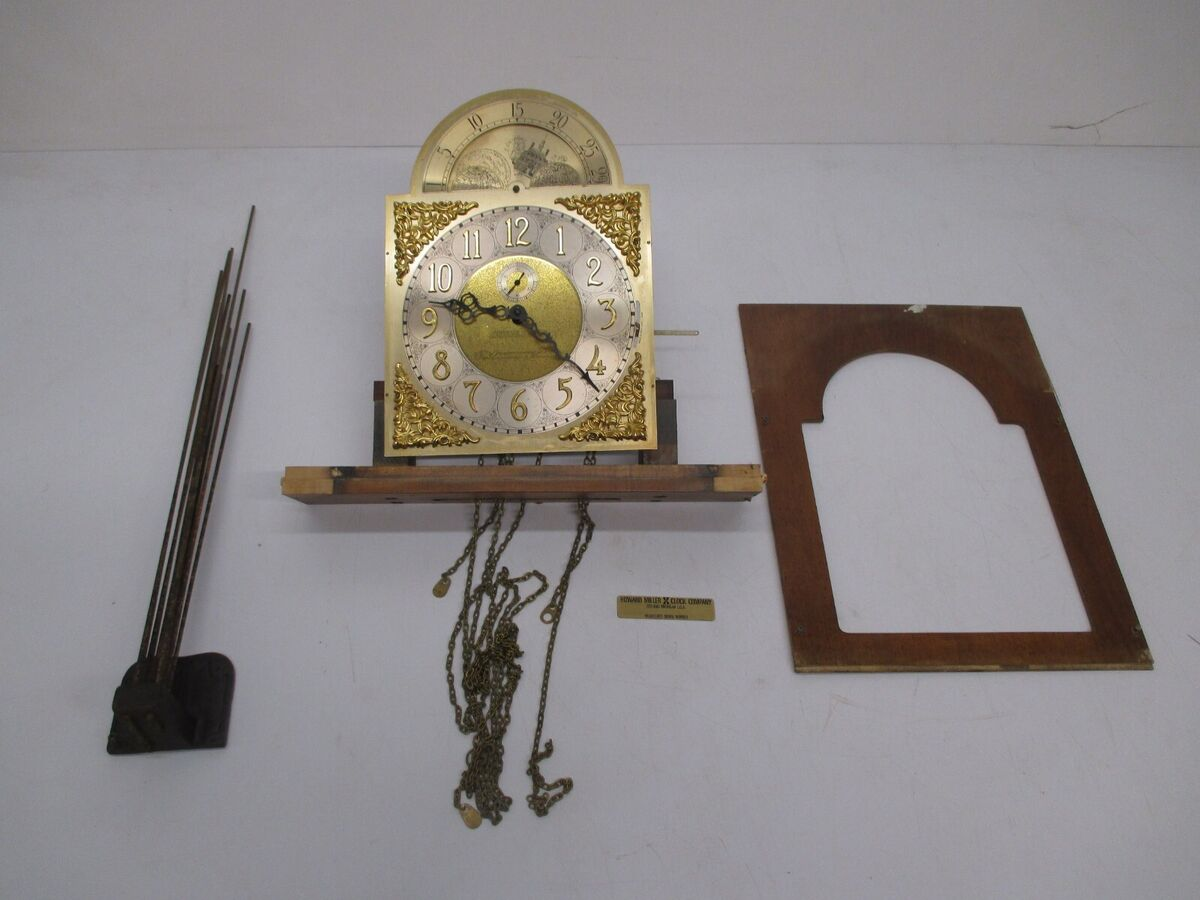
A grandfather clock is not just a timepiece; it is a symbol of craftsmanship, elegance, and precision. To ensure your clock remains a functional and attractive piece of furniture, it is crucial to maintain its accuracy and performance. One of the key factors that affect a grandfather clock’s ability to keep precise time is the selection of high-quality grandfather clock parts. Whether you are repairing or upgrading your clock, choosing the right components will ensure long-term reliability and accuracy.
Understanding the Components of a Grandfather Clock
Grandfather clocks, also known as longcase clocks, are made up of several intricate parts. Each of these components plays a significant role in the clock’s ability to function accurately. The primary parts of a grandfather clock include:
- Movement: The mechanism that drives the timekeeping system, typically a mechanical movement powered by weights or springs.
- Pendulum: A swinging weight that regulates the clock’s timekeeping. Its length directly influences the clock’s accuracy.
- Escapement: The gear mechanism that transfers energy from the weights or springs to the pendulum, helping to maintain the regularity of its swing.
- Chimes: A set of hammers and chimes that provide sound cues at specific intervals. Some clocks feature different chime melodies.
- Dial: The face of the clock that displays the time, often adorned with Roman numerals and intricate designs.
Factors to Consider When Choosing Grandfather Clock Parts
When replacing or upgrading Grandfather Clock Parts, it is important to ensure that the components you choose are compatible with your clock’s design and mechanical requirements. Here are key factors to consider:
1. Compatibility with the Movement
The movement is the heart of your grandfather clock. Whether you are replacing it due to wear or upgrading for better accuracy, it’s essential to select a movement that fits your clock’s case and dial. Movements come in different configurations, including 3-train, 4-train, and 8-day movements. Ensure that the movement you choose matches the number of chimes and the power system (e.g., weight-driven or spring-driven) of your clock.
2. Pendulum Length and Weight
The pendulum is a critical component for regulating timekeeping. The length and weight of the pendulum influence the clock’s ability to keep accurate time. Longer pendulums typically provide more accurate timekeeping, as they swing slower and are less susceptible to variations in temperature. When selecting a new pendulum, ensure it is the correct length for your clock’s movement. Additionally, choose the correct weight to ensure that the pendulum swings properly and maintains consistent motion.
3. Quality of the Escapement
The escapement is responsible for transferring energy from the clock’s power source to the pendulum. A well-crafted escapement ensures that the pendulum swings evenly and maintains the clock’s accuracy. When selecting a new escapement, look for one made from durable materials, such as brass or stainless steel, to prevent wear over time. The escapement should also be designed to work seamlessly with your clock’s movement.
4. Chime Mechanism and Sound Quality
If your grandfather clock has a chime feature, it is important to select a high-quality chime mechanism. The chime is an integral part of the clock’s appeal, providing both functionality and aesthetic charm. Choose chime rods and hammers that match your clock’s existing style and chime melody preferences. Ensure that the chime mechanism operates smoothly and produces clear, resonant tones.
5. Dial Design and Aesthetics
The dial of a grandfather clock is often the most visually striking feature. When replacing or upgrading the dial, select one that complements your clock’s overall design and aesthetic. Dials are available in various materials, including wood, brass, and enamel, and they often feature intricate designs. Choose a dial that suits the style of your clock while maintaining legibility for accurate time reading.
Where to Find Quality Grandfather Clock Parts
When purchasing grandfather clock parts, it is essential to source them from reputable suppliers. Many clock repair shops, online stores, and specialized parts suppliers offer high-quality parts that are designed specifically for longcase clocks. Additionally, consider working with a professional clockmaker or technician who can provide guidance on selecting the right parts for your clock’s needs.
Conclusion
Maintaining the accuracy and performance of a grandfather clock depends on the quality of the grandfather clock parts you choose. By carefully selecting compatible movements, pendulums, escapements, chimes, and dials, you can ensure that your clock continues to function as it was originally intended. Regular maintenance and replacement of worn or damaged parts will not only preserve your clock’s timekeeping but also enhance its beauty and charm for years to come.
About the Author