8 Modern Minimalist Decor Ideas for a Sleek Home minimalism isn’t just a design style—it’s a way of living. It’s about paring down to the essentials and embracing simplicity without sacrificing style. Modern minimalist decor is a sophisticated approach to home design that focuses on clean lines, functional pieces, and a calm, uncluttered environment. Whether you’re redesigning an entire home or simply refreshing a single room, these ideas will help you achieve a sleek, modern aesthetic with ease. By using thoughtful design choices and focusing on quality over quantity, you can transform your space into a minimalist haven that feels both stylish and serene.
:strip_icc()/Client_ScandiCoastal1-5271e9b08b7848f883a0af1e157a1ba6.jpeg "8 Modern Minimalist Decor Ideas for a Sleek Home")
1. Embrace Neutral and Muted Color Palettes
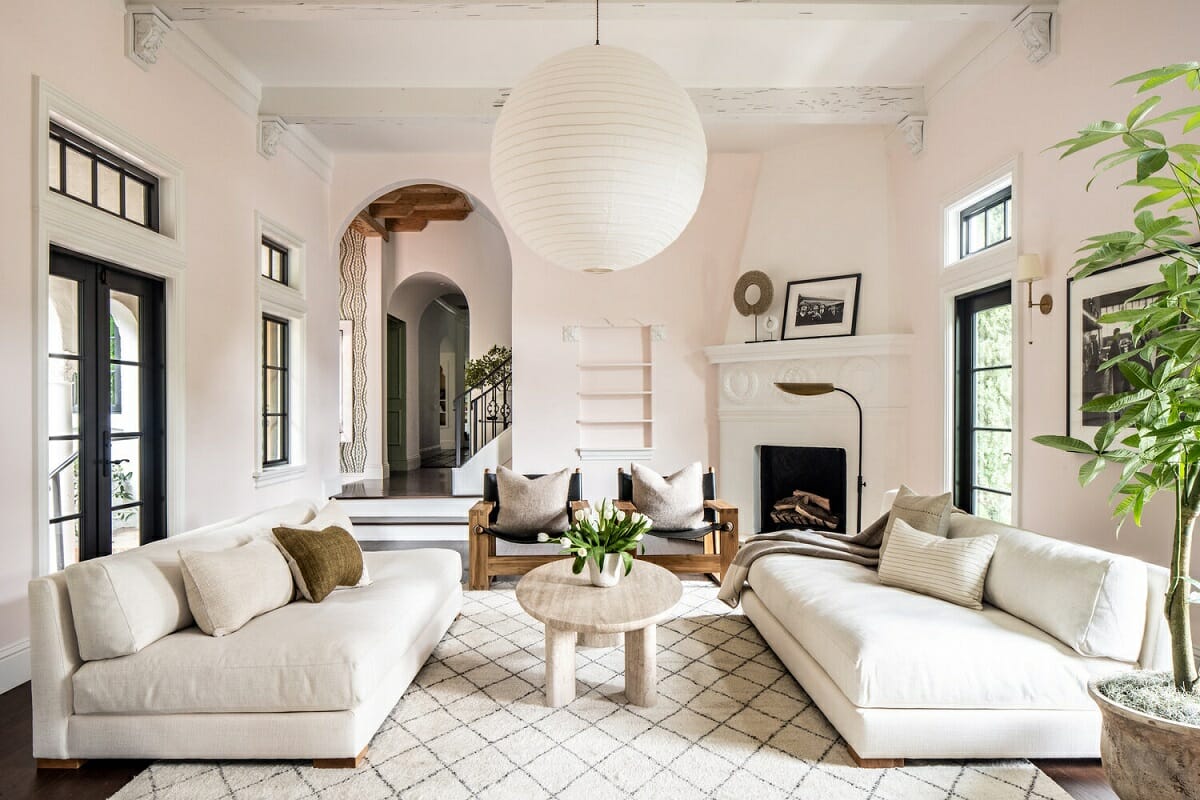
One of the defining features of modern minimalist decor is the use of neutral, muted color palettes. Think whites, blacks, grays, soft beiges, and pale blues. These tones create a serene, peaceful environment that fosters relaxation and mental clarity. The beauty of this color scheme lies in its versatility—it can serve as a perfect backdrop for more daring furniture choices, or it can stand alone to create a timeless and chic atmosphere.
To create a cohesive and inviting minimalist space, start with the walls. Choose a light, neutral shade that makes the room feel open and airy. This approach works well in any room—whether it’s the living room, bedroom, or kitchen. Soft colors allow natural light to reflect off the surfaces, brightening the space and making it feel larger than it is.
For a modern touch, incorporate accent colors sparingly. A pop of deep green, warm terracotta, or bold black can add just the right amount of interest without overwhelming the space. Remember, in modern minimalist decor, less is often more—keeping the overall color scheme restrained helps to maintain balance and harmony in the room.
2. Use Clean and Simple Furniture with Sleek Lines
In modern minimalist decor, furniture should be functional and visually uncluttered. Opt for pieces that feature clean lines and simple silhouettes. Furniture that is too ornate or heavy can detract from the serene vibe that minimalism promotes, so focus on items that serve a clear purpose and add to the overall design.
For example, choose a low-profile sofa with simple upholstery, such as linen curtains or leather, in neutral tones. Avoid excessive ornamentation, like tufting or intricate detailing. Instead, opt for subtle textures and straight edges. A simple coffee table made from wood or metal with a geometric shape will complement the minimalist aesthetic without overwhelming the space.
A minimalist dining table with slim legs and a clean surface can act as a focal point in the dining area, while still maintaining the sleek simplicity of the room. In the bedroom, choose a platform bed with a low frame and streamlined headboard. The key is to pick furniture that doesn’t steal the spotlight but rather contributes to an overall sense of calm and order.
3. Focus on Open Space and Decluttered Surfaces
At the heart of modern minimalist decor is the idea of decluttering. To truly embody the minimalist lifestyle, it’s essential to keep surfaces free from unnecessary items. A cluttered home can make it difficult to relax and focus, so the goal is to create open, airy spaces that are visually calm and organized.
Start by evaluating each room and removing anything that doesn’t serve a clear function or contribute to the room’s overall aesthetic. Instead of filling every surface with decor, choose a few select items that are both beautiful and purposeful. A vase with fresh flowers, a sleek lamp, or a well-placed sculpture can add just the right amount of personality without overwhelming the space.
Storage plays an important role in maintaining a decluttered home. Consider furniture that doubles as storage, such as a media console with hidden compartments or a bed with drawers underneath. When you have a place for everything, it’s easier to maintain an organized and minimalist environment.
4. Incorporate Natural Materials for Texture
Modern minimalist decor doesn’t mean sacrificing warmth or personality—it’s about balancing simplicity with subtle richness. One way to add interest without cluttering the space is by incorporating natural materials. Wood, stone, marble, and leather bring texture and depth to a minimalist space, enhancing its visual appeal while maintaining the understated elegance that minimalism is known for.
For example, a reclaimed wood coffee table or a stone accent wall can bring warmth to an otherwise neutral room. Marble countertops in the kitchen or bathroom add a luxurious touch, while leather furniture pieces provide a sense of sophistication. Even small touches, like a wool throw blanket or a wooden tray, can elevate the decor and add an element of comfort.
To maintain the minimalist aesthetic, stick to natural tones. The richness of these materials doesn’t need to be paired with excessive decoration—simply allowing the materials to speak for themselves is enough to create an inviting and modern space.
5. Maximize Natural Light with Simple Window Treatments
Natural light plays a crucial role in modern minimalist decor, as it helps to make the space feel open, bright, and welcoming. When choosing window treatments, opt for simple, light fabrics that allow for an abundance of sunlight to filter through. Heavy curtains or overly elaborate drapes can feel out of place in a minimalist home, so focus on simplicity and lightness.
Consider using sheer curtains, light linen drapes, or roller blinds in neutral tones to enhance the flow of natural light into the room. The goal is to keep the windows unobstructed so that light can flood the space, creating a bright and airy atmosphere. For a more modern approach, you can even leave windows bare, relying solely on the natural light that enters the room. This approach helps to blur the lines between indoor and outdoor living, further emphasizing the minimalist lifestyle.
In spaces where privacy is a concern, consider installing simple blinds or shades that can be adjusted as needed. The key is to maintain a sense of openness and transparency while still offering functional privacy when necessary.
6. Incorporate Statement Lighting
Lighting can have a dramatic impact on the feel of a room, and in modern minimalist decor, it serves both functional and decorative purposes. Instead of relying on overhead ceiling lights, which can feel harsh and impersonal, incorporate statement lighting fixtures that are both stylish and purposeful.
Consider using pendant lights or chandeliers with sleek, geometric designs. A statement light fixture can serve as the focal point in a room, adding an element of interest without disrupting the minimalist aesthetic. In the living room, a large, modern floor lamp with a slim, angular design can provide both illumination and style.
Wall sconces with clean lines or track lighting can be used to accentuate architectural features or artwork, contributing to the overall sleek design of the room. Remember, modern minimalist decor is all about striking a balance between functionality and design, and lighting is one area where you can make a big impact without overloading the space.
7. Add Greenery with a Purpose
Incorporating greenery into your home doesn’t mean filling every corner with plants—rather, it’s about adding a few well-placed plants that contribute to the overall vibe of the room. Modern minimalist decor focuses on the intentional placement of plants, with an emphasis on clean lines and simplicity.
Choose plants with simple, elegant foliage, such as succulents, snake plants, or monstera. These plants not only add a natural touch to your home but also purify the air and bring a sense of calm. Use minimalist planters made of neutral materials like concrete, ceramic, or metal. Avoid overly decorative pots or plant arrangements, as they can disrupt the simplicity of the space.
To maintain balance, place plants in areas where they can create visual interest without overcrowding the room. A single large plant in a corner can have a dramatic effect, while smaller plants can be grouped on a shelf or placed on a windowsill. The key is to integrate nature into the space in a way that feels intentional and harmonious.
8. Focus on Open, Flowing Layouts
In modern minimalist decor, the layout of the room plays an essential role in creating a spacious and harmonious environment. Open, flowing layouts encourage a sense of movement and ease, allowing each area of the room to feel connected while still maintaining its distinct function.
Start by minimizing the number of furniture pieces and ensuring that each one serves a clear purpose. Avoid overcrowding the room with excessive furniture or accessories. Instead, arrange your pieces in a way that allows for free movement and emphasizes the openness of the space.
Open shelving can further enhance this layout by offering both storage and display options without visually blocking the flow of the room. Keep pathways clear and create distinct zones for different activities, such as lounging, working, and dining. A well-thought-out layout allows for a seamless transition from one space to another, contributing to the sense of calm and simplicity that defines modern minimalist decor.
Achieving modern minimalist decor is about striking a balance between simplicity and sophistication. By incorporating neutral color palettes, clean lines, natural materials, and purposeful design choices, you can transform your home into a sleek, serene sanctuary. The key to minimalist living is not about removing everything, but about thoughtfully curating your space so that every element serves a purpose and contributes to the overall aesthetic.
With these eight ideas, you can begin crafting a home that embodies modern minimalism—where form, function, and style coexist in perfect harmony. By embracing simplicity, you’ll create a space that feels open, calm, and effortlessly chic.
About the Author